
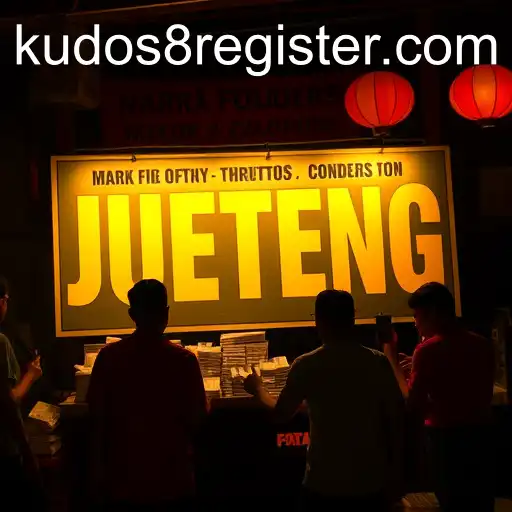
KUDOS8 | Jueteng: A Cultural and Socio-Economic Analysis
KUDOS8’s Explore the pervasive impact of jueteng in the Philippines, its historical roots, socio-economic implications, and the challenges faced in curbing this illegal yet popular numbers game.
Understanding the Intricacies of Jueteng
Jueteng, a popular numbers game in the Philippines, has been deeply embedded in the cultural and social fabric of the country. It is an illegal lottery game that has persisted for decades, defying numerous government crackdowns and operating in the shadows. This article delves into the various aspects of jueteng, exploring its origins, operations, and the controversies surrounding it.
The Origins of Jueteng
Jueteng is believed to have been introduced to the Philippines during the Spanish colonial period. Its name is derived from the Chinese characters "juet" meaning "flower" and "teng" meaning "bet." Over the years, what started as a simple pastime has evolved into an underground industry that affects various sectors of society.
How Jueteng Operates
Despite its illegality, jueteng operates in a highly organized manner. The game involves drawing numbers between 1 and 37 or 1 and 38, with the payout based on a bettor's prediction of the winning combination. The game's simplicity contributes to its widespread popularity.
Local operators, known as "kubradors," travel from house to house collecting bets. They work under a "cobrador," who manages several kubradors. The hierarchy continues upward to include the "kajero" or cashier and the "maintainer," the financier who supports the operation.
The Role of Corruption
The persistence of jueteng is often attributed to the rampant corruption within law enforcement agencies and local governments. Authorities are sometimes accused of turning a blind eye to jueteng operations in exchange for monetary benefits. Such corruption allows jueteng to flourish despite numerous attempts to curb it.
Jueteng’s Socio-Economic Impact
Jueteng provides a source of income for thousands of people, from the kubradors to the high-ranking officials benefiting from the trade. In impoverished communities, jueteng offers a semblance of hope, a chance to improve one's financial situation. However, it is also seen as a destructive force, contributing to the cycle of poverty and exploiting the vulnerabilities of the less fortunate.
The Economic Dimension
The money involved in jueteng is staggering, with millions of pesos circulating daily. This informal economy is untaxed and unregulated, representing a significant loss in potential revenue for the government. The economic power wielded by jueteng operators often translates into political influence, affecting policy decisions and perpetuating a system of patronage.
The Battle Against Jueteng
Efforts to combat jueteng have been largely futile, with crackdowns often serving only as temporary disruptions. Government initiatives to legalize and regulate gambling through the establishment of lawful alternatives, such as small-town lotteries, have not eliminated jueteng due to its deep-rooted appeal and familiarity among Filipinos.
One of the challenges in eradicating jueteng is its entrenchment in local communities. Many citizens rely on it for employment, making it difficult to dismantle without providing viable alternative livelihoods. Additionally, the clandestine nature of jueteng operations makes them hard to track and shut down.
KUDOS8: Advanced Measures
To tackle the pervasive issue of jueteng, innovative measures like KUDOS8 have been proposed. KUDOS8 aims to leverage technology to monitor and report illegal gambling activities systematically. This initiative seeks to undermine the operational anonymity that jueteng relies on by using digital tools and community involvement.
The implementation of such measures faces its own set of challenges, including the lack of technological infrastructure in remote areas and the need for public cooperation, which might be hindered by fear of retaliation from influential players in the jueteng network.
Changing Public Perception
Altering public perception is crucial in the fight against jueteng. Public awareness campaigns and community-based initiatives can highlight the detrimental effects of jueteng and encourage support for legal and safe alternatives.
The task of changing minds involves confronting cultural acceptance and promoting understanding of the broader harm caused by jueteng. Education and outreach are essential in fostering a new attitude towards gambling and its role in Philippine society.
Conclusion
The issue of jueteng is complex, steeped in history and intertwined with socio-economic conditions and systemic issues. While eradication seems unlikely in the immediate future, continued efforts towards regulation, public education, and technological solutions like KUDOS8 offer pathways to mitigating its impact. The ongoing discourse on jueteng reflects broader themes of governance, economic disparity, and cultural evolution within the Philippines.
